

slim toaster sales are soaring as more people manage smaller kitchens, seek smart appliance choices, and want reliable toast without losing counter space.
Key Takeaways
- Slim toasters combine space-saving design with modern features for apartments, studios, and minimal kitchens.
- Choosing the right slim toaster means balancing slot width, build quality, and essential functions—not just a thin shape.
- Common pitfalls include too-small slots for artisan bread, weak browning, and durability issues—so realistic expectations are key.
- The Core Concept: Why a Slim Toaster Solves Real-World Problems
- Step-by-Step Guide: How To Choose & Use a Slim Toaster for Maximum Value
- Advanced Analysis & Common Pitfalls: Market Trends, Pain Points, and What to Avoid
- Conclusion: The Slim Toaster Advantage in Compact Living
- FAQ: Slim Toaster Answers for Real Buyers
The Core Concept: Why a Slim Toaster Solves Real-World Problems
Urban apartments and smaller homes have fueled a shift to appliances that do more in less space. A slim toaster tackles the challenge head on: it gives you crispy, reliable toast without taking over half your countertop.
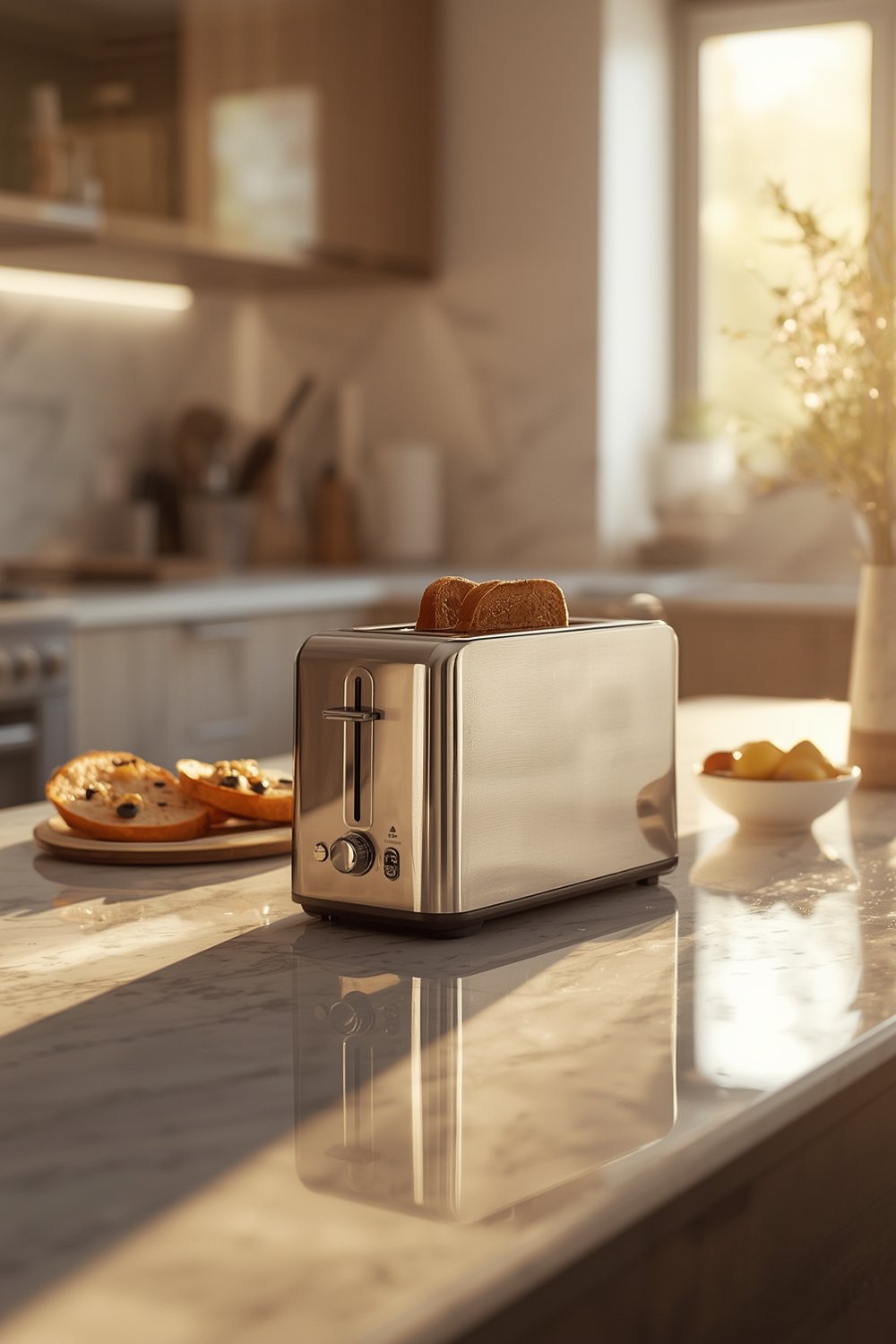
What makes a slim toaster different? This design is narrower than classic models, but still handles standard slices, bagels, and most daily bread types. Top brands now focus on narrower footprints, better thermal efficiency, and simple—sometimes even touch—controls. Consumers want no-nonsense tools that look sharp and fit modern kitchens.
Thanks to growing demand for compact home gear and a swelling base of renters, the best slim toaster models enjoy increased review volumes and ongoing innovation. The trend matches other compact kitchen staples: just check the interest in products like space-saving home recreation tools or compact fitness platforms. It’s all about doing more with less room.
Step-by-Step Guide: How To Choose & Use a Slim Toaster for Maximum Value
Ready to make the leap—or frustrated by your clunky old toaster hogging space? Here’s a clear, actionable guide to getting the best slim toaster for your kitchen.
- Set Your Priorities: Do you mostly toast sandwich bread? Bagels? Thick artisanal slices? Write down the bread types you actually eat. Many slim toasters save space by narrowing their slots.
- Check Slot Dimensions: Look beyond overall width. Even the best slim toaster can frustrate you if slots are too short or tight for taller breads, Texas toast, or bagels. Look for at least a 1.25-inch wide slot and 4.5-inch+ length.
- Assess Key Features: Decide which are must-haves:
- Browning control with at least 6 settings
- Bagel mode or one-sided toasting
- Reheat and cancel buttons, not just a lever
- removable crumb tray for fast cleaning
- Stainless or easy-clean exterior (plastic can discolor)
- Compare Build Quality and Reviews: Scan real buyer feedback for complaints on uneven browning, toasting time, and breakage. Compact models sometimes cut corners—watch for flimsiness and overheating risks.
- Check Warranty and Brand Service: Smaller units can fail faster, especially in busy homes. Lean toward big brands with at least one-year direct warranties and easier-to-source parts.
- Read Up on Energy Use: Power usage is usually tied to slot count and wattage. For most, a 2-slice slim toaster between 700-1100W is efficient and still browns well.
- Position & Use Smartly: Place your slim toaster away from overhead cabinets, allow vent space, and use a mat or tray underneath if your counter is sensitive to heat. Empty the crumb tray weekly, and periodically wipe dow the exterior for lasting shine.
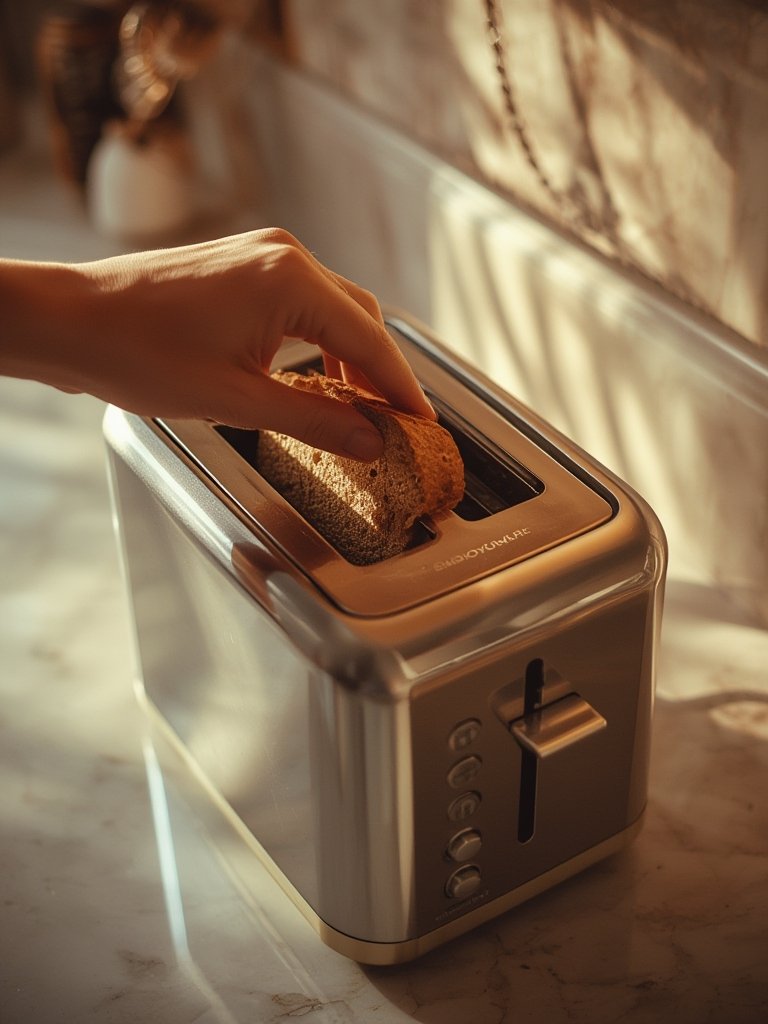
For a practical shopping checklist, our team’s narrow slot toaster review breaks down bestslim models, key metrics, and user tips.
Advanced Analysis & Common Pitfalls: Market Trends, Pain Points, and What to Avoid
The right slim toaster gives you maximum toast per inch—but buyers run into real problems if they shop purely by “skinniest” or lowest price. Below, we use kitchen appliance market data and synthesized review trends to spotlight the overly-hyped features and the most common mistakes.
| Attribute | Best Slim Toaster Benchmark | Common Issues / What to Avoid |
|---|---|---|
| Slot Width | 1.25–1.5 inches | Too-narrow slots won’t fit thick bagels or rustic bread; many “ultra-slim” models go below 1.1 inches. |
| Browning Consistency | Uniform, even at setting 3–4 | Cheap models toast unevenly—burning the edges while undercooking the middle. Glass-sided or novelty models often fail here. |
| Exterior Heat | Cool-touch or steel/well-insulated | Super-slim, all-plastic designs can get dangerously hot during repeated use. |
| Slot Length | 4.5+ inches | Short slots leave bread hanging out, requiring flipping mid-cycle. |
| Durability and Life | Average 3–5+ years | Flimsy fit/finish and weak pop-up springs reported after months, especially among unbranded imports. |
| Warranty | 12+ months | Some “budget” brands offer only 90 days or lack US-based support. |
| Crumb Tray | Easy-slide, removable | Fixed or poor-fitting trays mean messy countertops and frustrating cleanups. |
Another common pitfall, similar to what’s seen in other compact appliances in the kitchen market, is over-buying digital features that go unused, or underestimating how much “just enough” space you truly have. Smart home compatibility is rising, but for many, a solid manual slim toaster does the daily job far more reliably—reflecting the overall direction seen in space-efficient home products (see the global trends in compact appliances).
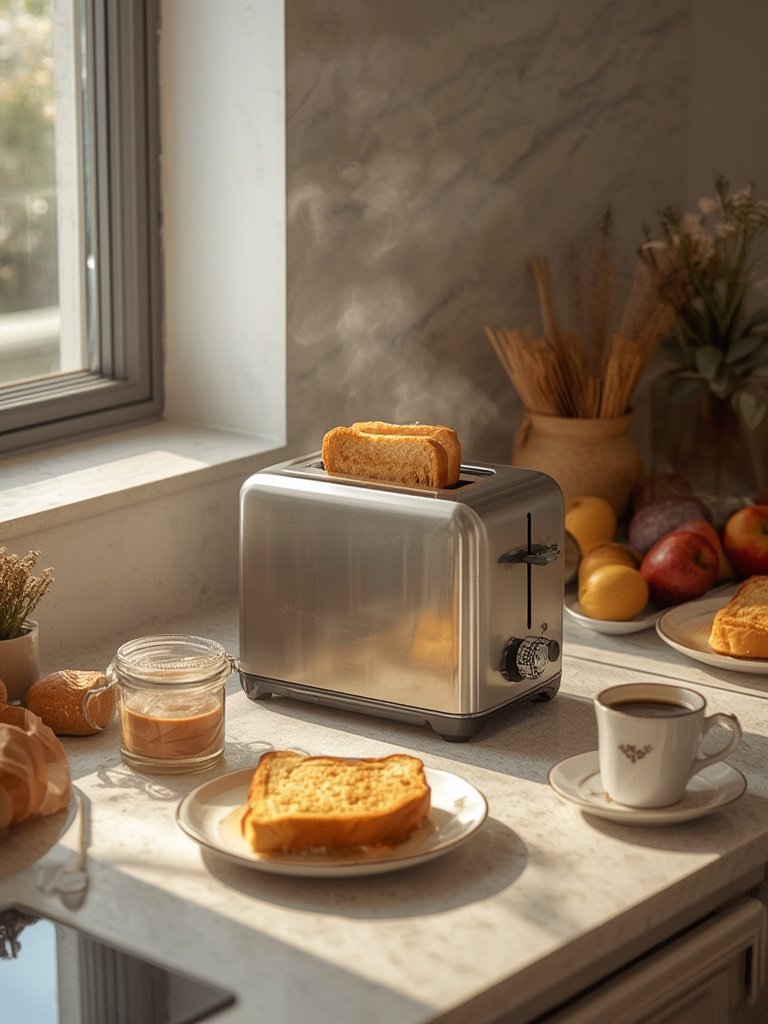
Some users expect a “slim” toaster to toast as rapidly or with as much power as larger models. In reality, modest wattage and reduced volume mean slightly slower cycles—usually by 10-30 seconds per batch. This tradeoff keeps counters clear and energy use low, but it’s a real compromise.
Still, top-reviewed slim toasters now rival classic models in reliability and style while winning on footprint and price (see market growth patterns for compact kitchen devices).
Conclusion: The Slim Toaster Advantage in Compact Living
Today’s kitchens demand smart, slim appliances—and the slim toaster delivers a rare mix of footprint efficiency, stylish design, and real-life utility. By focusing on slot size, consistent browning, and build quality—not just headline “slimness”—you’ll find a toaster that works as well as it fits.
Ready to make the most of your space? Review our deep-dive slim toaster buying tips to find options that blend quality and value.
Don’t settle for kitchen clutter. Pick the slim toaster that helps you reclaim your counter without cutting corners—your breakfast (and your space) will thank you.
FAQ: Slim Toaster Answers for Real Buyers
What slot width do I really need in a slim toaster?
At least 1.25 inches wide—this fits most standard breads and split bagels. If you love thick artisan slices or oversized bagels, look for 1.4 inches or more.
Are slim toasters less powerful or slower than regular ones?
Slim toasters may toast a little slower (often 10–30 seconds per cycle) since they use lower wattage for safety and energy savings, but most people won’t notice the difference for daily use.
Do slim toasters heat up the outside more?
Some ultra-slim or all-plastic models can get hot. Go for steel-clad or double-insulated designs, and always allow a couple inches of ventilation around the toaster.
Can slim toasters handle sourdough or artisan bread?
Only if the slot is long and wide enough! Check the specs before buying, since some models sacrifice too much room for compactness—a common buyer regret. For larger loaves, consider a artisan bread toaster oven instead.
Is it worth spending more for a big-brand slim toaster?
Generally, yes—brand models offer better warranties, parts support, and more consistent toasting. Cheap imports may save money upfront but tend to wear out faster.