

Beth’s country primitive home decor is a timeless approach to creating a warm, inviting, and authentically rustic feel in any living space. Whether you’re redecorating a country cottage, personalizing an apartment, or just adding a few classic touches, this style makes your home feel welcoming, historic, and full of character.
Key Takeaways
- Beth’s country primitive home decor brings together handcrafted accents, weathered finishes, and nostalgic Americana for a heartfelt, lived-in look.
- Layering authentic vintage finds and simple DIY touches is the most effective way to personalize your primitive home decor.
- Avoid common mistakes like over-cluttering or missing the details that make a primitive space truly feel cozy and genuine.
- Understanding Beth’s Country Primitive Home Decor
- Step-by-Step Guide to Creating the Look
- Advanced Analysis and Common Pitfalls
- Conclusion
- FAQ
Understanding Beth’s Country Primitive Home Decor
Beth’s country primitive home decor blends rural American traditions with functional simplicity and meaningful personal touches. The heart of this style lies in layered textures, upcycled antiques, soft colors, and folk art inspired details. It’s less about “stuff” and more about history, comfort, and handmade authenticity.
You’ll see hand-hewn wooden furniture, vintage quilts over rocker chairs, rag rugs, punched-tin lanterns, and plenty of baskets or stoneware jugs. Everything is relaxed, friendly, and a touch imperfect. Unlike modern farmhouse, primitive decor doesn’t chase glossy trends—it’s rooted in memories and the honest, hardworking spirit found in every crack and crevice.
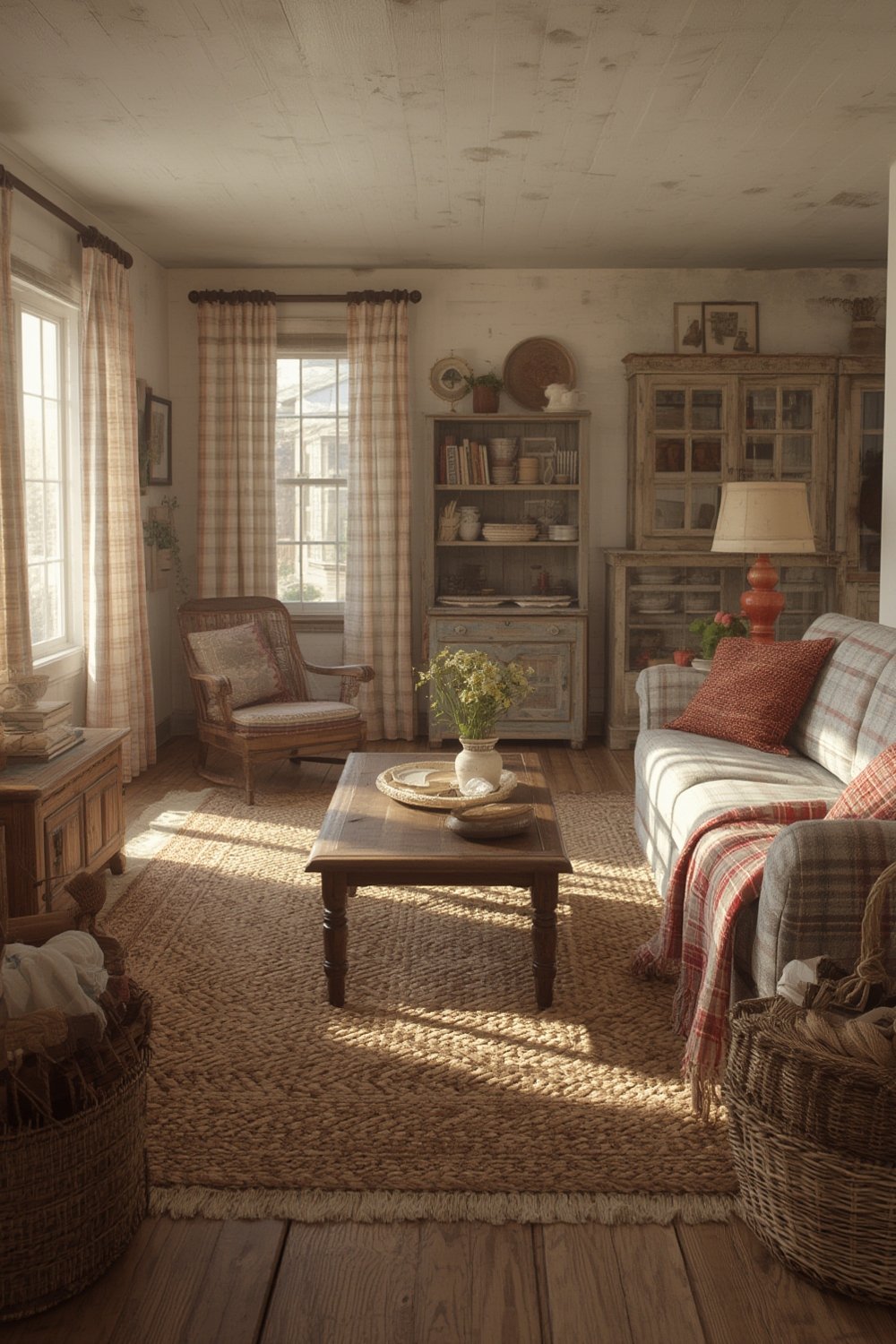
Many are drawn to this style because of the nostalgia it brings. Whether you grew up surrounded by home-baked bread and patchwork or simply love the romantic ideal, country primitive gives any room a sense of belonging.
Step-by-Step Guide to Creating the Look
Step 1: Choose Your Color Palette
Stick with muted earth tones—think barn red, mustard yellow, faded denim, sage green, and buttery cream. Primitive decor leans toward colors that look sun-aged or gently worn, never sharp or ultra-bold.
Step 2: Anchor the Room with Authentic Pieces
Start with one or two “hero” items—an aged wooden bench, a handmade quilt, or a distressed cupboard. If possible, source locally or at antique shops and flea markets. The more patina, the better.
Step 3: Layer with Textiles
Display braided or rag rugs, homespun linens, patchwork throws, or soft burlap pillows. Mixing textures, and materials (wool, cotton, linen, even ticking stripe) adds comfort and depth.
Step 4: Add Folk Art, Lanterns, and Timeless Accessories
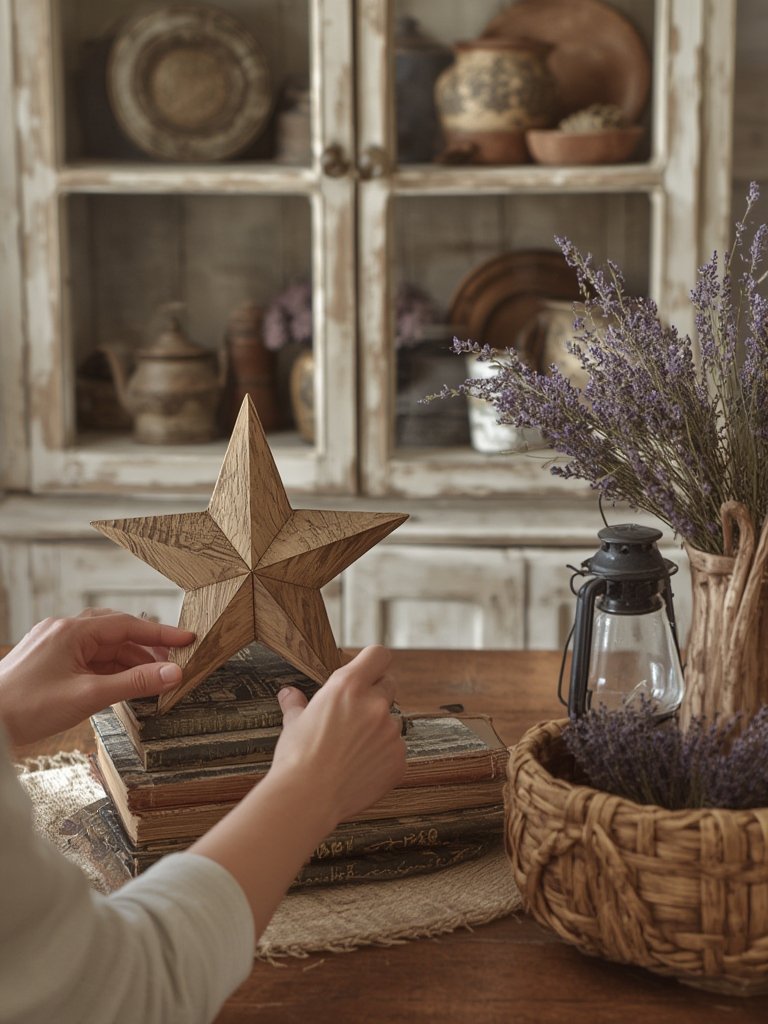
Incorporate punched-tin lanterns, carved signs, antique baskets, painted boxes, hooked rugs, and stoneware. Display in groups of three or, for a true primitive look, in odd numbers. Candles—real or flameless—always complete the look.
Step 5: Incorporate Greenery and Seasonal Touches
Add faux berry stems, dried florals, or simple pine branches in pottery crocks. Switch these out throughout the year for instant seasonal charm—pumpkin sprigs in autumn, berries in winter, tulips in spring.
Step 6: Use Functional Decor
Choose everyday objects for display—wooden spoons in a crock, mason jars filled with buttons, or iron skillets on an open shelf. Not only does this keep things practical, but it also tells a story about life in your home.
Step 7: Incorporate Personal Heirlooms and DIY Projects
The most memorable spaces feature inherited treasures, thrift-store finds, and handmade crafts. Don’t hesitate to frame old quilts, hang a family photo wall, or showcase a kid’s school art for a lived-in, one-of-a-kind vibe.
If you want to discover unique printed wall art that works well with primitive decor, explore how Wander Prints home decor can add artistic flair that matches the country look.
Advanced Analysis and Common Pitfalls
While Beth’s country primitive home decor seems straightforward, several issues can trip up even seasoned decorators. Understanding potential trouble spots will help you build a home that feels authentic and remains functional for your lifestyle.
Common Pitfalls
- Clutter Overload: It’s easy to overfill shelves and walls, mistaking quantity for authenticity. Primitive decor should evoke simplicity.
- Missing Modern Comforts: Avoid eliminating all comfort in the pursuit of authenticity. Incorporate modern touches discreetly—like a best slim toaster for small kitchen—that don’t detract from the style.
- Inauthentic Materials: Cheap reproductions can undermine the look. Whenever possible, choose natural wood, metal, and real textiles over plastic or faux finishes.
- Neglecting Lighting: Large primitive spaces can feel dark. Use layered lighting (wall sconces, candles, small table lamps) to add warmth. Punched-tin lanterns are classic, but LED candles offer safety and ease.
- Ignoring Utility: In pursuing historic style, don’t forget how you use the space. Keep pathways clear and storage solutions practical.
Comparison: Primitive Decor vs. Modern Farmhouse
| Feature | Country Primitive | Modern Farmhouse |
|---|---|---|
| Palette | Muted, weathered tones | Brighter whites and neutrals |
| Furniture | Heavier, antique, distressed | Lighter, more refined, sometimes mass-made |
| Accessories | Handcrafted, folk art details | Clean lines, minimal accents |
| Atmosphere | Cozy, nostalgic, informal | Airy, modern, often more formal |
Resource Management
Unlike trends that chase constant buying, primitive style encourages resourcefulness. Upcycle, restore, and DIY whenever you can. This isn’t just good for your wallet—it’s good for the environment and gives your home more meaningful stories to tell.
Integrating Tech and Comfort
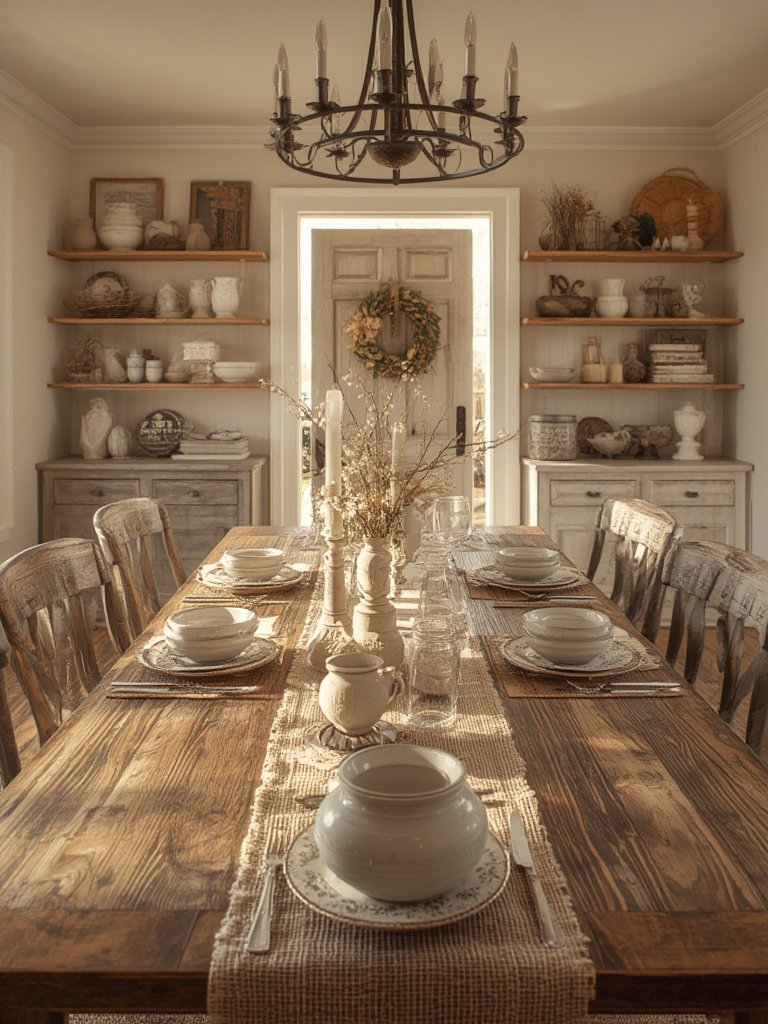
You don’t need to live in the past to enjoy this style. Consider modern helpers like a family calendar touchscreen placed discreetly in your kitchen for organization, or a home vibration trainer hidden in a utility room for wellness, to harmonize 21st-century ease with old-fashioned charm.
Conclusion
Beth’s country primitive home decor is about creating a home that feels peaceful, storied, and comfortable. Focus on meaningful details, resist overfilling each space, and blend tradition with your own daily needs. Whether you’re reinventing your whole home or adding a subtle accent, Beth’s country primitive home decor is your guide to a warm, inviting, and genuinely personal space.
Ready to start your country primitive journey? Start small—add one meaningful element this week, and build your style from there.
FAQ
What are the essential elements of Beth’s country primitive home decor?
This style centers on natural wood, antique or distressed furnishings, vintage quilts, braided rugs, folk art touches, and soft, weathered colors. Candles, baskets, stoneware, and lanterns are all signature accents.
Can I mix primitive decor with modern items?
Absolutely. In fact, blending modern conveniences—like clever storage or hidden tech—with primitive style keeps your home comfortable and personal. The key is to choose modern items in muted colors and classic shapes that won’t clash with the rest.
How do I avoid making my rooms feel cluttered?
Display items in purposeful groupings and use open space as part of your design. Edit collections down to what genuinely tells your story, and rotate accessories seasonally for freshness.
Are there affordable ways to achieve this look?
Yes. Thrift stores, flea markets, and even DIY projects are the best sources for primitive decor. Upcycling and simple crafts like painted signs, rag rugs, or stenciled boxes are budget-friendly ways to add charm.
Where can I find unique wall decor that suits primitive style?
Check out options like Wander Prints home decor for distinctive wall art that pairs perfectly with primitive styles and lets you easily personalize your space.